
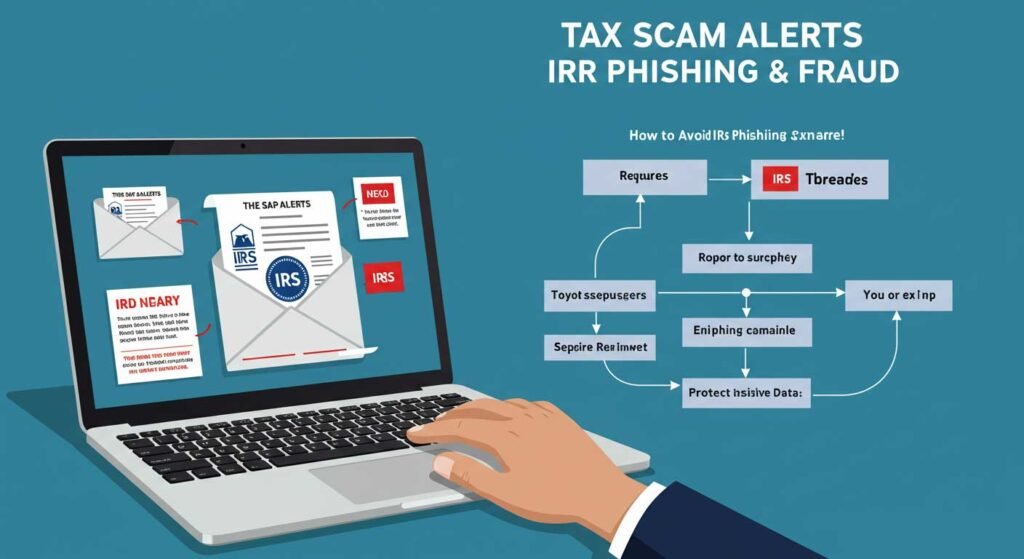
Don’t Get Hooked: Essential Phishing and Scam Alerts for Tax Season
Phishing and scam alerts are everywhere, and for a good reason. As tax season approaches, cybercriminals ramp up their efforts, targeting unsuspecting taxpayers with sophisticated tricks. Knowing how to spot these scams is your best defense against identity theft and financial loss.
This article will help you understand the most common tax-related scams, what the IRS will and will not do, and how you can protect yourself and your personal information.
What is Phishing?
Phishing is a fraudulent attempt to obtain sensitive information, like usernames, passwords, and credit card details, by disguising as a trustworthy entity in an electronic communication. In the world of taxes, this means a scammer will pretend to be the IRS or a tax preparer to trick you into giving up your data.
These scams often come through email, text messages, or phone calls. They create a false sense of urgency, pressuring you to act fast before you have a chance to think.
Recognizing Common Tax Scams
Scammers are creative, but their methods often follow a pattern. Here are some of the most frequent scams to watch out for:
- IRS Impersonation Calls: A caller claims to be an IRS agent and threatens you with a lawsuit, arrest, or license suspension if you don’t pay a supposed tax debt immediately. They might demand payment via gift cards, wire transfers, or cryptocurrency—all major red flags. Remember: The real IRS will never threaten you like this.
- Phony Emails and Text Messages: These messages might look official, using the IRS logo and branding. They often contain links that direct you to a fake website designed to steal your information. The text might say something like, “You are entitled to a tax refund. Click here to claim it.”
- Social Media Scams: Scammers use social media to post fake job offers, investment opportunities, or “get rich quick” schemes that are all designed to steal your money or personal details.
- Fake Tax Preparers: Be wary of tax preparers who promise an unusually large refund or charge fees based on a percentage of your refund. These individuals may file a fraudulent return using your information and then disappear.
What the IRS Will NEVER Do
Understanding the official procedures of the IRS is your most powerful tool against scammers. The IRS will NEVER:
- Demand immediate payment without first sending you a bill in the mail.
- Threaten to arrest you or have you deported for unpaid taxes.
- Ask for a credit or debit card number over the phone.
- Ask for payment via gift cards, a wire transfer, or cryptocurrency.
- Send you a text message with a link to claim a tax refund.
How to Protect Yourself from Phishing and Scams
Staying vigilant is the best way to safeguard your identity and finances. Follow these best practices:
- Be Skeptical: If a message from the IRS feels off or too good to be true, it probably is. Take a moment to think and don’t act impulsively.
- Go Directly to the Source: If you receive a suspicious email or call, do not use the contact information provided. Instead, go to the official IRS website or call their main number to verify the information.
- Secure Your Devices: Use strong passwords, two-factor authentication, and up-to-date antivirus software on all your computers and mobile devices.
- Report Suspicious Activity: If you receive a phishing email, forward it to phishing@irs.gov. If you receive a scam phone call, report it to the Treasury Inspector General for Tax Administration (TIGTA).
By staying informed about these phishing and scam alerts, you can avoid becoming a victim. Share this information with friends and family to help them stay safe, too.
