
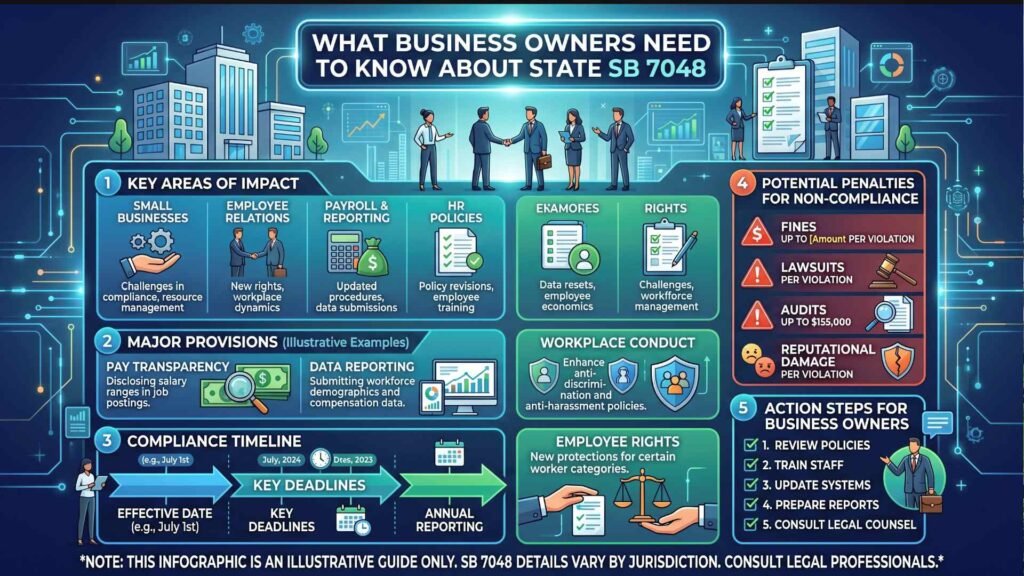
Navigating Florida’s 2026 Corporate Tax Changes and New Business Incentives
The business landscape in Florida is evolving rapidly. This growth is driven by federal tax overhauls and regional economic shifts. Furthermore, a massive push toward technological automation is changing how companies operate. Consequently, local business owners and accounting professionals must adapt quickly. Doing so is the only way to stay compliant and profitable.
Recently, the state legislature passed internal tax updates and new state-level incentives. Therefore, understanding these critical changes is essential for your business in 2026.
1. Florida’s Response to Federal Tax Reform: Senate Bill 7048
At the federal level, the One Big Beautiful Bill Act (OBBBA) introduced sweeping modifications. Specifically, it altered the Internal Revenue Code (IRC). However, Florida operates on a rolling conformity system. This means the state legislature must vote on whether to adopt federal tax changes.
Through Senate Bill 7048, Florida updated its corporate tax code. Nevertheless, the state included several major decoupling provisions. These rules were designed to protect state revenue:
-
R&E Expenditures & Accelerated Depreciation: Federal laws allow for aggressive, immediate expensing of research and experimental (R&E) costs. They also allow immediate deductions for certain business assets. In contrast, Florida has pushed back. For state corporate income tax purposes, taxpayers cannot take these immediate federal deductions. Instead, they must “add back” these costs. As a result, businesses must amortize them over a structured 7-year period.
-
Meticulous Tax Reconciliations: Business owners must ensure their accountants perform precise book-to-tax adjustments. Indeed, what you deduct on your federal return may not fly on your Florida return. Consequently, proactive, year-round planning has become absolutely essential.
2. A Haven for Military Families: The Veterans Business Act
Florida continues to position itself as a business-friendly state. This is particularly true for those who have served in the military. As a highlight this year, the state expanded incentives targeting veterans and military spouses.
Key benefits are designed to stimulate local entrepreneurial growth. These perks include:
-
Zero Registration Fees: The Florida Department of State has eliminated initial registration fees. This applies to new or relocating businesses owned by veterans or military spouses.
-
5-Year Corporate Tax Holiday: Eligible businesses can qualify for a massive tax break. They receive a 100% exemption on Florida Corporate Income Tax and State Franchise Tax. This holiday lasts for their first five years of operation. However, the exact benefit depends on the percentage of military ownership.
-
Sales Tax Relief: Furthermore, the initiative introduces targeted sales tax exemptions. These apply directly to the purchase of critical machinery, equipment, and starting operational supplies.
3. Rising Interest Rates from the Department of Revenue
Managing cash flow or resolving back taxes has become more expensive. Specifically, the Florida Department of Revenue (DOR) has maintained its floating interest rate for underpayments. The penalty rate for delinquent taxes sits at 11%.
Meanwhile, state-level fiscal oversight is tightening. This is especially true regarding local county spending and corporate audits. Consequently, maintaining immaculate, audit-ready financial records is no longer optional.
4. The Shift to Tech-Driven Advisory Services (CAS)
On the operational side, South Florida’s accounting industry is undergoing a structural revolution. Forward-thinking firms are shifting away from traditional data entry. Instead, they are focusing heavily on Client Advisory Services (CAS).
Today, accounting professionals are acting as fractional CFOs. They leverage advanced artificial intelligence (AI) to power their firms. For instance, they use predictive analytics to audit HR data. They also use tech to automate multi-state tax compliance and provide real-time cash flow forecasting.
However, this heavy reliance on AI has a downside. Cybersecurity insurance providers are tightening their requirements. As a result, robust data security has become a top priority for local businesses.
The Bottom Line for Florida Business Owners
Florida’s lack of a personal income tax remains a massive benefit. Even so, the corporate tax environment requires careful navigation. Business owners must manage the state’s decoupling from federal OBBBA rules. At the same time, they need to capitalize on new military tax holidays. Therefore, having a trusted, local financial partner is critical.
Ready to Navigate Florida’s 2026 Tax Changes Stress-Free? Don’t leave your corporate deductions to chance this year. Contact John S. Henderson and the expert team at The Tax Man, Inc. right here in Miami. Let us handle the compliance so you can focus on growing your business.
📞 Call us today at [Insert Phone Number] to schedule your consultation!
